Mother Care
Becoming a mother changes almost everything — exhaustion, low mood, and anxiety after childbirth are common, and not a sign of failing as a mother. Confidential postpartum depression and anxiety counselling, and support with bonding and adjustment.
Speak With a Mother Care Professional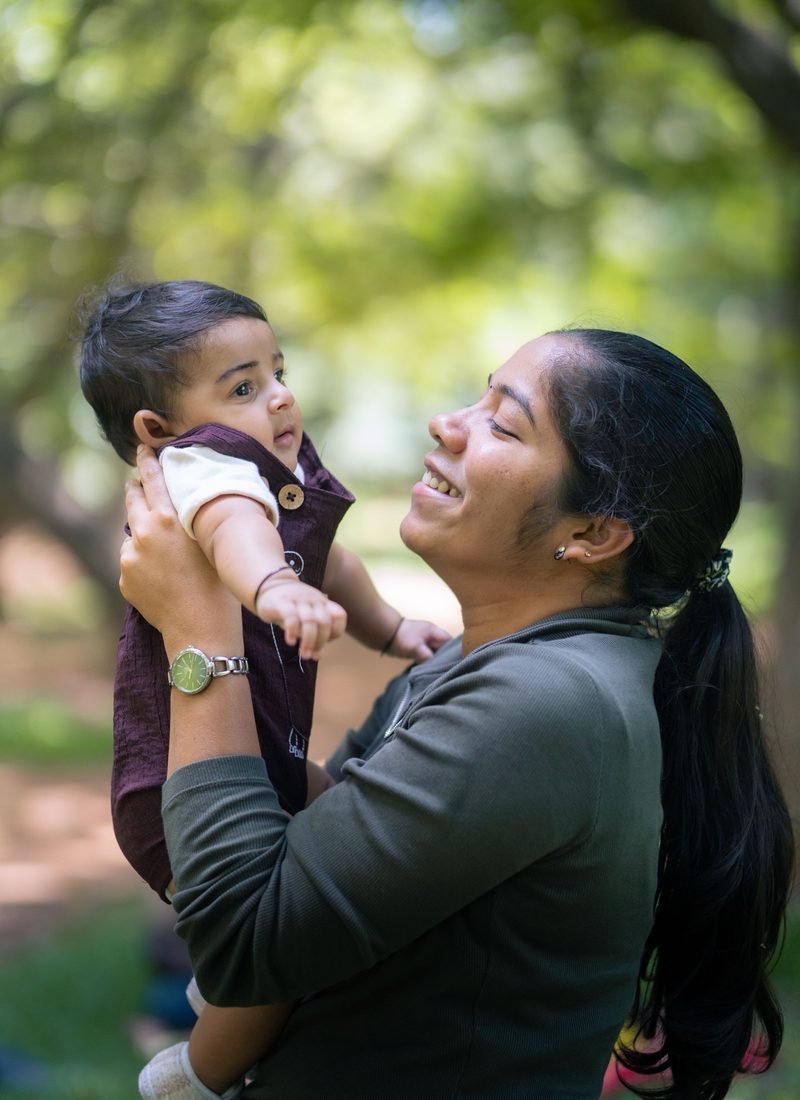
What is “postpartum”, and why does it matter?
“Postpartum” simply means the period after childbirth. It usually refers to the first weeks and months with a new baby, though emotional changes can appear at any point in the first year. During this time a mother's body is recovering, her hormones are shifting sharply, her sleep is broken, and her daily life and sense of identity are changing all at once.
Because so much changes, it is normal for this period to feel hard. What is not always understood is that these feelings are not a sign of weakness, or of being a “bad mother”. They are common, and support makes a real difference. A mother who is rested, supported, and heard is also better able to bond with and care for her baby.
Baby blues, postpartum depression, and postpartum anxiety
Baby blues
Tearfulness, mood swings, and feeling overwhelmed in the first days after birth. Very common, and usually settles within about two weeks with rest and support.
Postpartum depression
Persistent sadness, emptiness, irritability, or loss of interest that lasts beyond two weeks or feels intense. It may include guilt, hopelessness, difficulty bonding, or changes in sleep and appetite that caring for a baby does not explain. It is common and treatable.
Postpartum anxiety
Constant worry, racing thoughts, or a fear that something will happen to the baby, sometimes with restlessness or trouble sleeping even when the baby sleeps.
Why postpartum support is important
International estimates suggest that around 1 in 7 women experience postpartum depression, and many more experience anxiety. Without support, symptoms can continue for months and affect the mother's health, her bond with her baby, and the whole family.
Many mothers stay silent because they fear being judged, or assume they should simply cope. Reaching out early is not a failure. It is one of the most protective things a mother can do for herself and her child.
How JivSetu supports new and expecting mothers
- Confidential counselling for postpartum depression and anxiety
- Support with bonding, adjustment, and the change in identity that comes with motherhood
- Support during pregnancy, when worries about the birth and life afterwards are common
- Referral to psychiatric consultation where appropriate, for example when symptoms are severe or may need medical care
- A calm, judgement-free space where you do not have to pretend to be fine